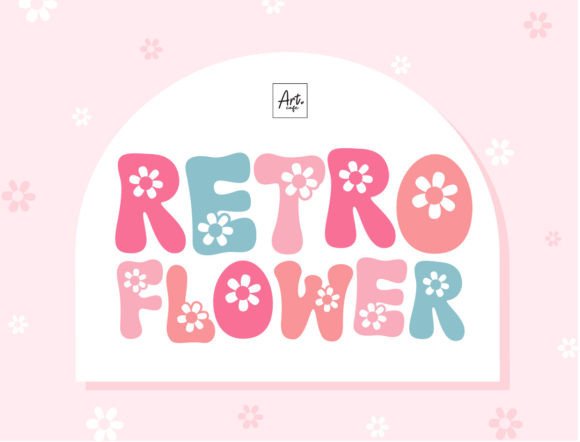
Retro Flower Font: Infusing Nostalgic Charm into Modern Design
There is a specific kind of visual warmth that comes from designs that refuse to take themselves too seriously while still maintaining high aesthetic standards. In the realm of modern typography, finding a typeface that balances playful motifs with functional legibility is rare. The Retro Flower font manages to capture this balance, offering a refreshing departure from the sterile sans-serif fonts that dominate corporate design. It is not merely a set of letters; it is a visual language that speaks of spring, affection, and a spirited approach to communication. For designers and creators looking to inject a dose of personality into their work, this typeface offers a versatile solution that feels both nostalgic and surprisingly contemporary.
The Anatomy of a Floral Typeface
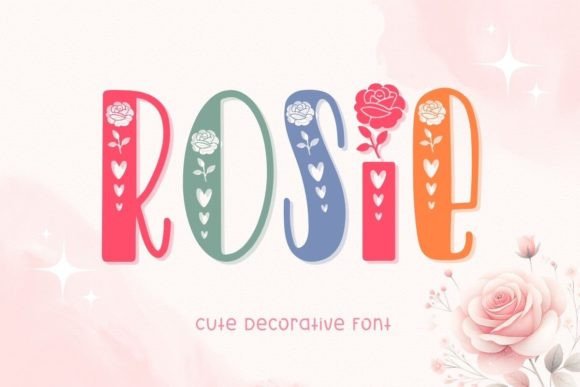
At first glance, the defining characteristic of this typeface is the integration of botanical elements directly into the letterforms. Unlike standard serif fonts or sans serif fonts, where the focus is purely on geometric structure, Retro Flower weaves daisy motifs into the characters. This is not just a clip-art overlay; the floral integration is designed to flow with the strokes of the letters. The visual personality is buoyant and airy, evoking the feeling of a sun-drenched afternoon. It carries a distinct retro vibe, reminiscent of 1970s graphic design and vintage greeting cards, yet it renders crisply in digital environments.
The overall appeal lies in its ability to convey emotion instantly. A headline set in this font doesn't just deliver information; it delivers a feeling. This makes it an exceptional choice for projects where emotional connection is paramount. It works beautifully for conveying affection, making it a natural fit for Mother’s Day campaigns, wedding stationery, or brands that focus on care and nurturing. Furthermore, the boldness of the flower motifs allows it to stand as a powerful visual statement, supporting themes of growth and feminism. It suggests that beauty and strength are not mutually exclusive, a message that resonates strongly with contemporary audiences.
Strategic Applications: Where to Use This Display Font
Understanding where to deploy a premium font like this is key to maximizing its impact. Because of its intricate detailing, Retro Flower functions best as a display font or for short-form copy. It is not designed for body text in long novels, but rather for the moments where you need to grab attention. In editorial design, it shines when used for pull quotes, magazine covers, or feature article headers. The font commands the page, drawing the reader’s eye immediately to the most important content.
For entrepreneurs and small business owners, the font is a secret weapon for brand identity. If you are launching a lifestyle brand, a boutique florist, or a line of artisanal goods, this typeface can anchor your visual identity. It works exceptionally well in logo design, particularly for brands that want to avoid the cold, corporate look. However, a word of caution: when used in a logo, ensure that the floral details are scalable. At very small sizes, the intricate petals might lose definition, so testing at various resolutions is crucial.
Digital spaces are also a playground for this style. In web design, it can be used for hero section text to instantly set a warm tone. For social media graphics, where the scroll is relentless, the unique silhouette of the Retro Flower font stops the thumb. It is perfect for Instagram stories, Pinterest pins, and promotional banners that need to convey a sale or an event with a touch of whimsy. Additionally, packaging design benefits immensely from this aesthetic. Imagine a tea box, a candle label, or a children’s toy package featuring this typeface—it immediately communicates a friendly, approachable, and creative vibe that suggests the product inside is made with care.
Practical Guidance for Designers and Marketers
Integrating a new creative font into a project requires more than just installation; it requires strategy. The first step is evaluating the project fit. Ask yourself: does the brand voice match the font's personality? If you are working on a serious financial report or a medical pamphlet, Retro Flower will likely be out of place. However, if the project involves children’s creative projects, party invitations, or feminist zines, it is an ideal candidate. The font’s buoyant spirit adds a layer of authenticity that generic modern typography often lacks.
One of the most critical aspects of using a display font is the font pairing. Because Retro Flower is detailed and decorative, it requires a calm partner. Pairing it with a clean, geometric sans-serif works wonders. For example, using a font like Helvetica, Arial, or a modern grotesque for the sub-headers and body text allows the floral headline to pop without creating visual chaos. If you pair it with another script font or a handwritten font, the result can be illegible and messy. The goal is contrast: let the flowers be the star of the show, and let the supporting text be the stage.
When it comes to readability, you must pay attention to kerning and tracking. Decorative fonts often require manual adjustment to ensure the letters don’t clash. In design software, check the spacing between specific letter pairs. Also, consider the color palette. This typeface looks best in high contrast against solid backgrounds, or in soft, pastel palettes that complement the floral theme. Avoid placing it over busy photographic backgrounds where the delicate details of the flowers might get lost.
Finally, always review the licensing. Since this is a commercial font, ensure you have the correct license for your specific usage. If you are a crafter selling physical goods, you may need a different license than a marketer using it in digital ads. Check for OpenType features as well; high-quality versions of this font often include alternate characters or ligatures that can add even more flair to your designs. By treating this typeface as a strategic design asset rather than just a decoration, you can elevate your projects from ordinary to memorable.
Ultimately, the Retro Flower font is a bridge between the past and the present. It captures the tenderness of hand-drawn art and the precision of digital typography. Whether you are designing a poster for a community event, branding a new bakery, or creating a heartfelt gift for a loved one, this font provides the tools to do so with style, nostalgia, and a touch of floral magic.